
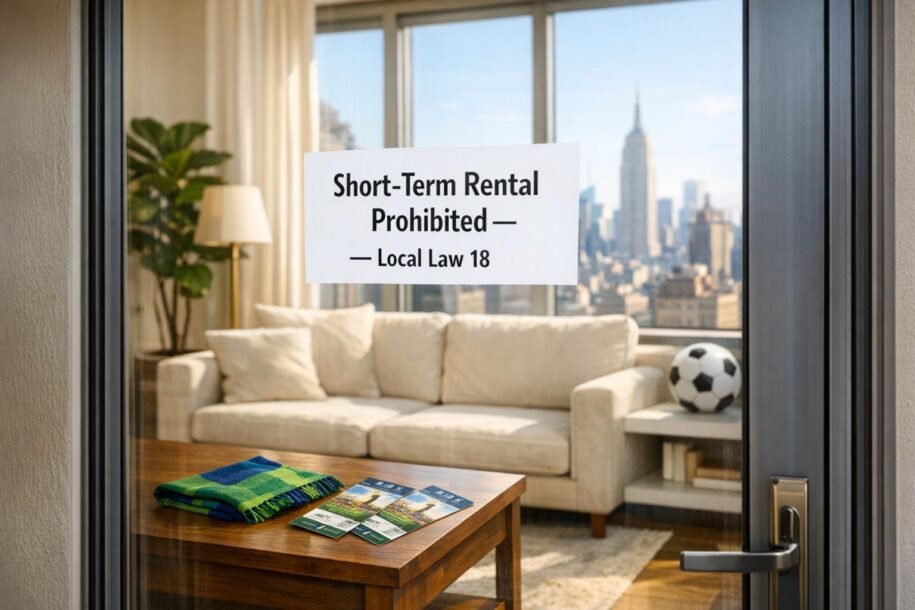
New York City is bracing for a potential tourism crisis as it prepares to host eight matches of the FIFA World Cup this summer at the MetLife Stadium in New Jersey, including the highly anticipated final on July 19. With just 12 weeks remaining before the tournament kicks off on June 11 in Mexico, the Big Apple faces two major hurdles: ongoing restrictions on short-term rentals and the looming threat of hotel worker strikes.
Airbnb Restrictions Remain Firmly in Place

Despite calls to relax its stringent short-term rental rules under Local Law 18, New York City has refused to budge. The law, introduced in 2023, makes it nearly impossible for property owners to rent their homes to tourists for less than 30 days. Rentals are only permitted if the host is present, and even then, only two guests are allowed. Entire home rentals for short stays remain out of reach for visitors.
New York Mayor Zohran Mamdani, a self-proclaimed soccer fan who was elected last November, has stood firm on these regulations. A proposal to temporarily ease the rules by allowing up to four guests in a single property during the World Cup was blocked by a coalition of City Council committee chairs. The coalition made their stance unequivocally clear in a letter published by the New York Post, stating, "We want to make it clear: this is not a proposal that we will entertain."
Backing this decision, City Hall spokesperson Cassio Mendoza emphasized that the administration would not compromise on its housing priorities. "The Mamdani Administration is excited to welcome visitors from all over the world to enjoy our city and the World Cup. But we will not do so at the expense of working-class families", Mendoza said.
Airbnb, which has long faced challenges in New York City, has expressed frustration over the continued restrictions. The short-term rental platform has previously accused city officials of unfairly blaming it for the housing crisis, with a spokesperson for a Super PAC tied to Airbnb stating last year, "These candidates continue to promote a false narrative blaming hosts for the housing crisis, despite evidence to the contrary."
sbb-itb-103bddb
Hotel Industry Turmoil Adds to Woes
Compounding the accommodation challenges, New York may also face disruptions in its hotel industry during the tournament. The Hotel and Gaming Trades Council, representing hotel workers in the city and Northern New Jersey, has hinted at possible "strikes, pickets, and lockouts" if ongoing contract negotiations with the industry falter. With hotel capacity already strained, such disruptions could leave tourists struggling to find suitable accommodations.
New York remains the most visited city in the United States, drawing 65 million visitors in 2024 who contributed around £60 billion to the city and state economies. However, concerns over lodging availability have grown as the World Cup approaches. The average hotel room in the city cost around £318 per night in 2024, and self-catering accommodations have historically been a more affordable option for families and larger groups – an option now effectively off the table due to the city’s tough Airbnb rules.
The Road Ahead
With New York’s stringent short-term rental laws and potential hotel industry unrest, the city faces a critical test of its ability to accommodate the influx of international fans expected during the World Cup. While Mayor Mamdani’s administration remains committed to its housing agenda, the city risks alienating both tourists and local businesses during one of the world’s largest sporting events. For now, the fate of New York’s World Cup tourism remains uncertain, as both fans and stakeholders await developments in the weeks to come.