
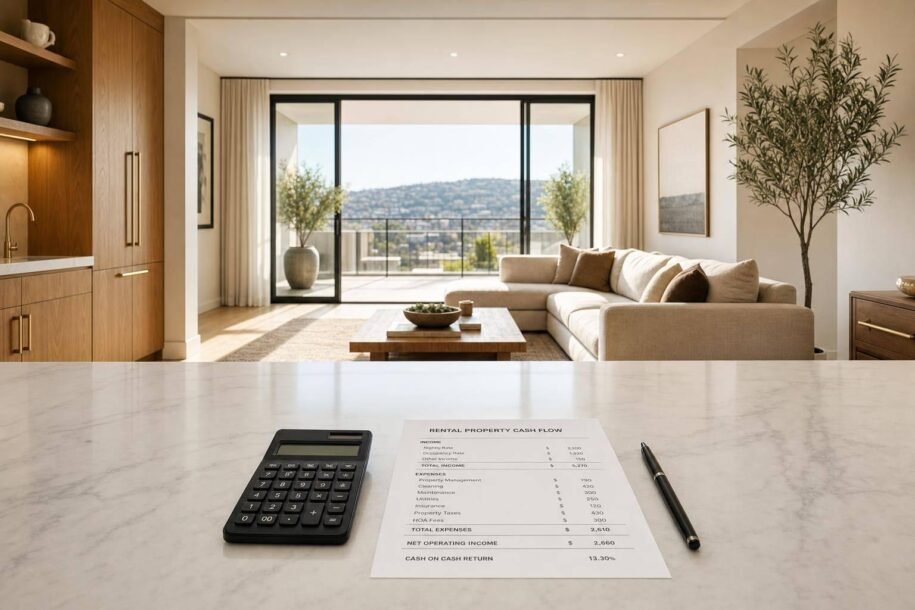
Understand a Deal Before You Buy
A rental property calculator helps you move beyond guesswork and look at the numbers that really matter. Instead of relying on a rough rent estimate or a seller’s optimistic projections, you can break the deal into financing, income, and ongoing expenses. That makes it easier to see whether a property is likely to produce healthy monthly cash flow or drain your budget.
See the Full Investment Picture
This tool estimates mortgage payments, vacancy loss, operating expenses, annual cash flow, total cash invested, and return on investment. If you want a quick snapshot of performance without financing, it can also help you review cap rate. For landlords and real estate investors, that side-by-side view is often what turns a promising listing into a more informed decision.
Useful for New and Experienced Investors
Whether you’re analyzing your first duplex or comparing several long-term rentals, a rental property calculator can save time and reduce costly mistakes. It’s especially helpful when you need to test different assumptions around down payment, insurance, taxes, or property management. A good rental property calculator won’t replace full underwriting, but it gives you a practical starting point for evaluating deals with more confidence.
FAQs
What does this rental property calculator help me figure out?
It helps you estimate the basic financial performance of a rental property before you buy, refinance, or reevaluate a deal. You can see expected mortgage costs, vacancy loss, total monthly expenses, monthly and annual cash flow, total cash invested, ROI, and cap rate. That makes it easier to compare properties and spot weak assumptions early.
Does ROI include the mortgage payment?
Yes. In this calculator, annual ROI is based on annual cash flow after monthly expenses, including the mortgage when financing is used. That means the return reflects the actual cash left over relative to the cash you put into the deal, such as the down payment, closing costs, and repair budget. Cap rate is different because it looks at operating performance before debt service.
Is this enough to decide whether a rental property is a good investment?
It’s a strong first-pass screening tool, but it shouldn’t be the only step in your analysis. A smart investor will also look at local rent trends, repair reserves, tenant quality, leasing risk, capital expenditures, tax treatment, and future appreciation potential. Use these estimates to narrow down deals, then verify everything with full underwriting and professional advice before moving forward.